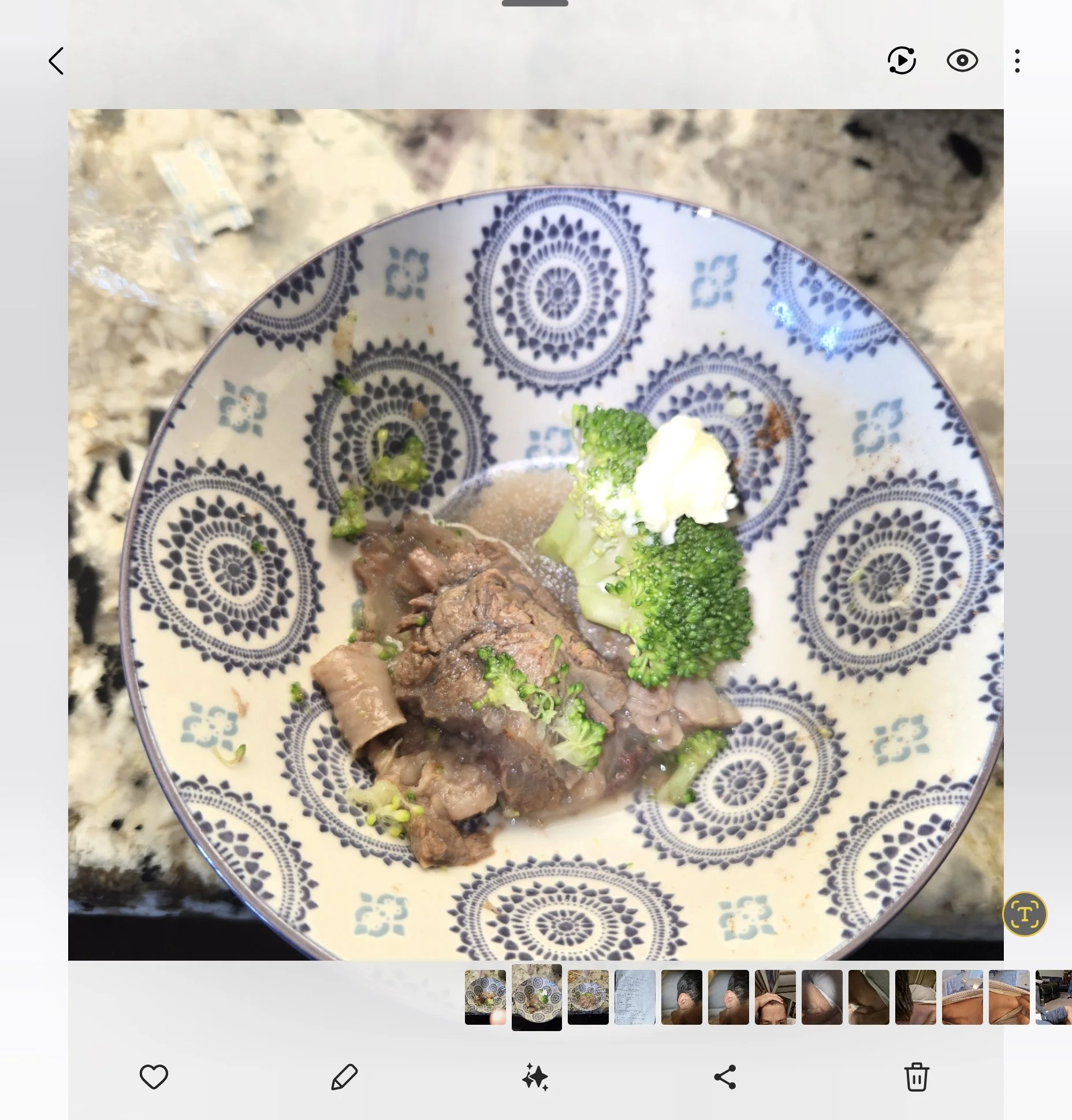
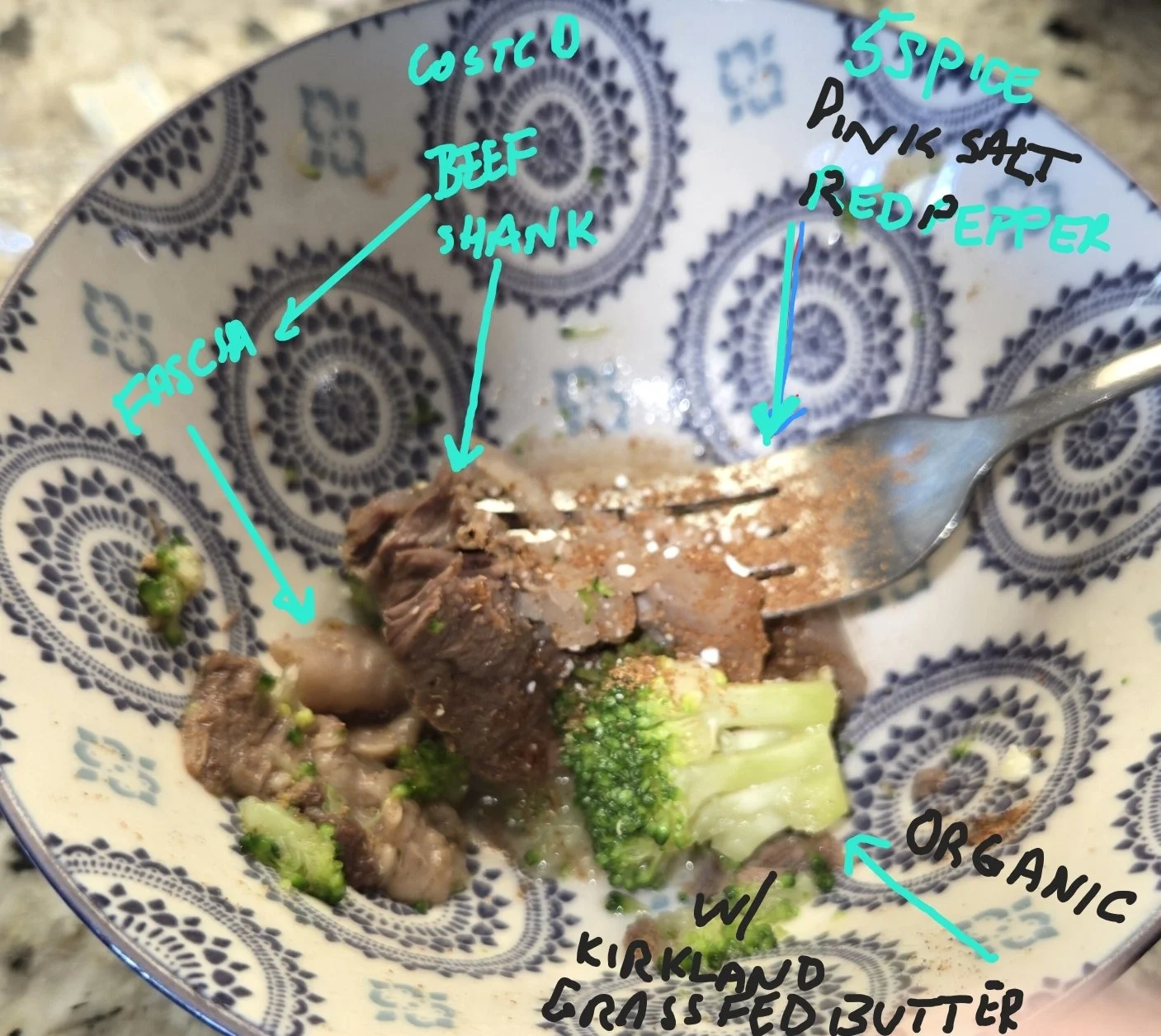
Why cruciferous vegetables are good for you
🥦 They contain special natural compounds that:
Help your body detox better
Think of them as clean-up helpers that tell your liver, “Time to take out the trash.”
Support hormone balance (especially estrogen)
They help your body process and get rid of extra estrogen instead of recycling it.
Turn on your body’s own antioxidant system
Instead of just adding antioxidants, they help your body make its own protection against inflammation and damage.
Why how you cook them matters
✅ Light cooking is best
Light steaming (just until tender-crisp) keeps the good stuff active.
Raw can be good for some people, but not everyone digests it well.
❌ Overcooking reduces benefits
Long boiling, mushy veggies = many benefits destroyed.
Heat can shut down the “activation switch” that makes them powerful.
🌱 A simple kitchen trick that helps
If you cook cruciferous veggies:
➡️ Add a pinch of mustard seed powder after cooking
Why?
It helps “turn back on” the helpful compounds that cooking can turn off.
Even a small amount works.
(Plain yellow mustard seed powder — not prepared mustard.)
Who may need adjustments
Some people do better with:
Smaller portions
Cooked instead of raw
Certain types (not all crucifers)
This includes people with:
Sensitive digestion
IBS or bloating
Thyroid issues
Hormone imbalances
If you want, I can also:
Here is a comprehensive list of cruciferous vegetables (family Brassicaceae, also called Cruciferae). I’ve grouped them for clarity and completeness.
🥦 Common & Widely Known Cruciferous Vegetables
Broccoli
Cauliflower
Cabbage (green, red, Savoy, Napa/Chinese)
Brussels sprouts
Kale (curly, lacinato/dinosaur, red Russian)
Collard greens
Mustard greens
Turnip greens
🥬 Asian & Leafy Varieties
Bok choy (pak choi)
Baby bok choy
Napa cabbage
Chinese broccoli (gai lan)
Tatsoi
Mizuna
Komatsuna
Choy sum
Yu choy
🌱 Peppery Greens & Salad Greens
Arugula (rocket)
Watercress
Land cress
Garden cress
Upland cress
🧅 Root & Stem Crucifers
Turnip
Rutabaga (swede)
Radish (red, daikon, black, watermelon)
Horseradish
Kohlrabi
🌼 Less Common / Specialty Crucifers
Romanesco
Broccolini
Broccoli rabe (rapini)
Kai-lan stems
Sea kale
Abyssinian mustard
Ethiopian kale
Tronchuda cabbage
🌱 Seeds & Sprouts (Still Cruciferous)
Broccoli sprouts
Radish sprouts
Mustard sprouts
Kale sprouts
🧂 Condiment & Culinary Crucifers
Mustard seed
Wasabi
Horseradish root
Functional Nutrition Note
Cruciferous vegetables are rich in:
Glucosinolates → isothiocyanates (e.g., sulforaphane)
DIM & I3C (estrogen metabolism support)
Nrf2 activation (detox & antioxidant signaling)